
Water Preservation Through AI-Driven Data
Sensors, satellites, and AI working together to tell your crew when, where, and how much to water.

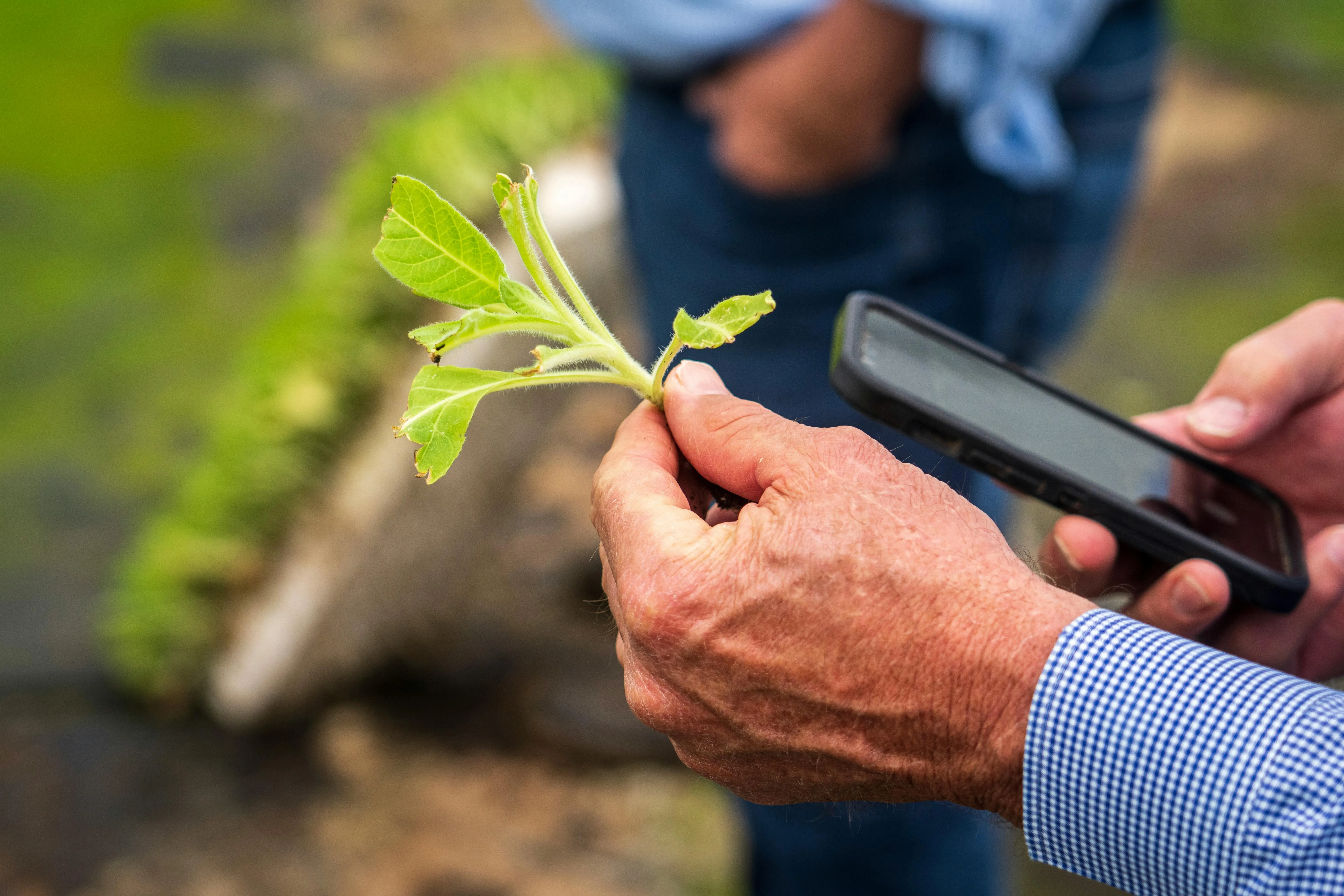

With satellite imagery, soil sensors, and predictive data, we precisely control water at every level. Maximizing your yield while minimizing risk.
We aim to protect every drop, maximizing efficiency to preserve our most precious resource.
->1.0


Water
Delivering healthier crops through smart, data backed water management.
->2.0
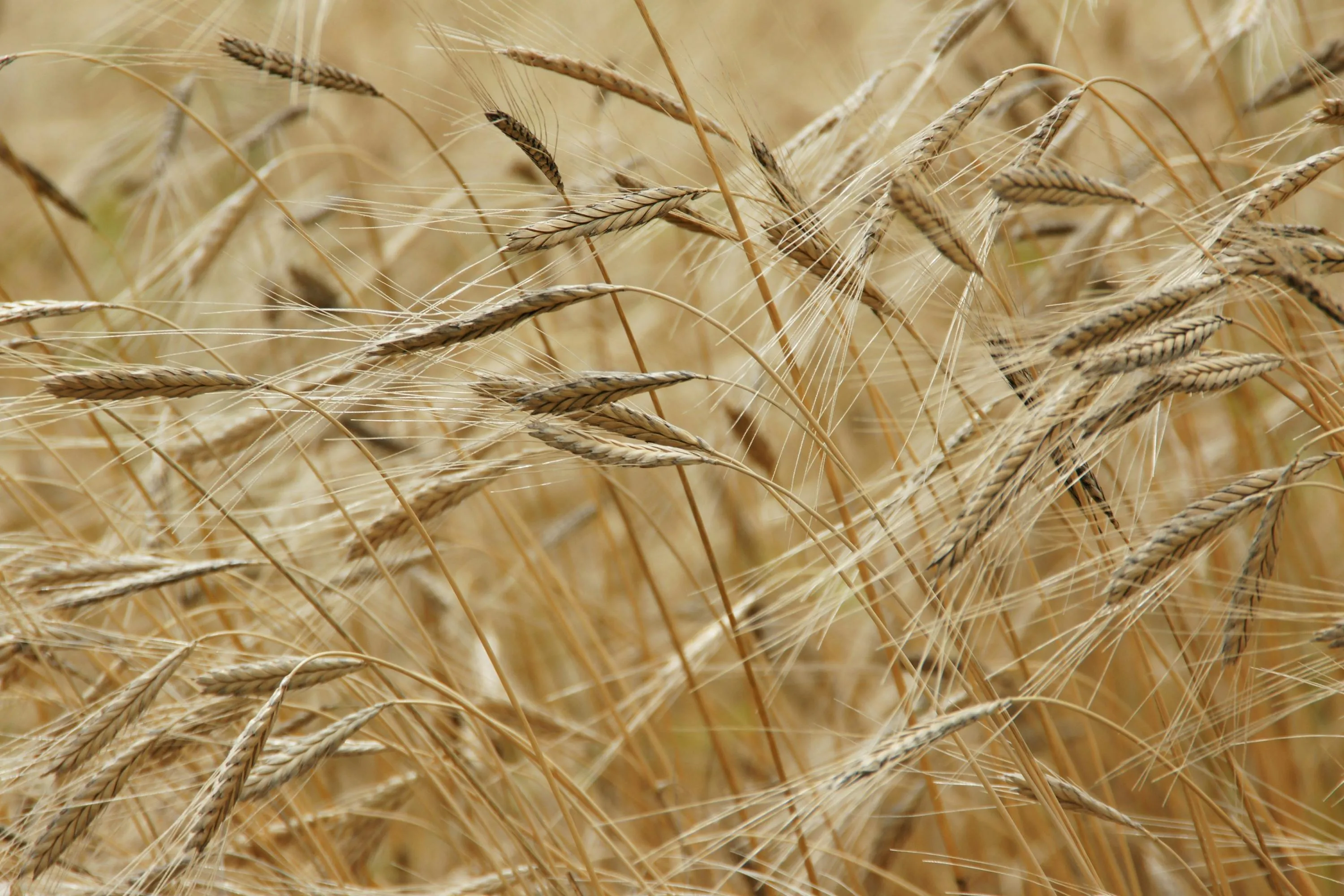

Yield
We take the risk off your plate with expert guidance so you can focus on growth.
->3.0


Risk

Built by farmers, for farmers
Saturn Terminal started with a simple belief: farmers know their land better than anyone. Our job is to give them the clearest picture possible. We use data-driven water management tools to simplify decisions, ensuring you save water and grow stronger. No unnecessary complexity. No features that don't matter. Just actionable intelligence that helps you save water and grow.

Water management on Tribal terms
Saturn Tribal Systems is our Tribal partnerships company. It brings the same soil sensors, satellite imagery and AI planning to Tribal agriculture, working alongside Tribal Nations, natural resource departments and Tribal farm enterprises.
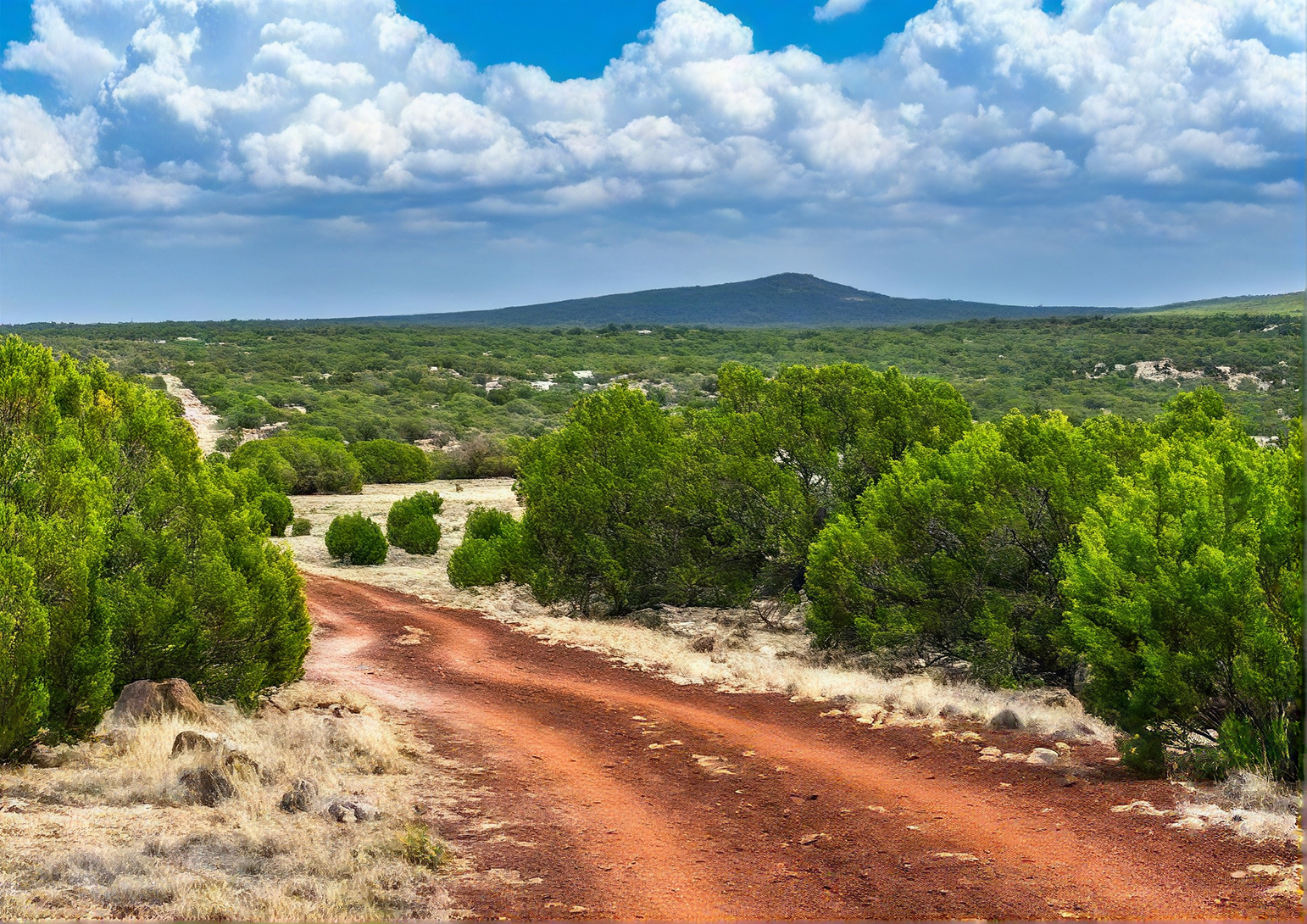
Sovereignty
Tribal goals set the plan, and Tribal teams make every irrigation decision on their land.
Water
Sensors, satellite data and forecasting put each drop where it helps crops and the water sources communities depend on.
Data
Data gathered on Tribal land belongs to the Tribe. It is never sold or shared without written consent.
Featured Story
Read what farmers and water experts are discovering right now.
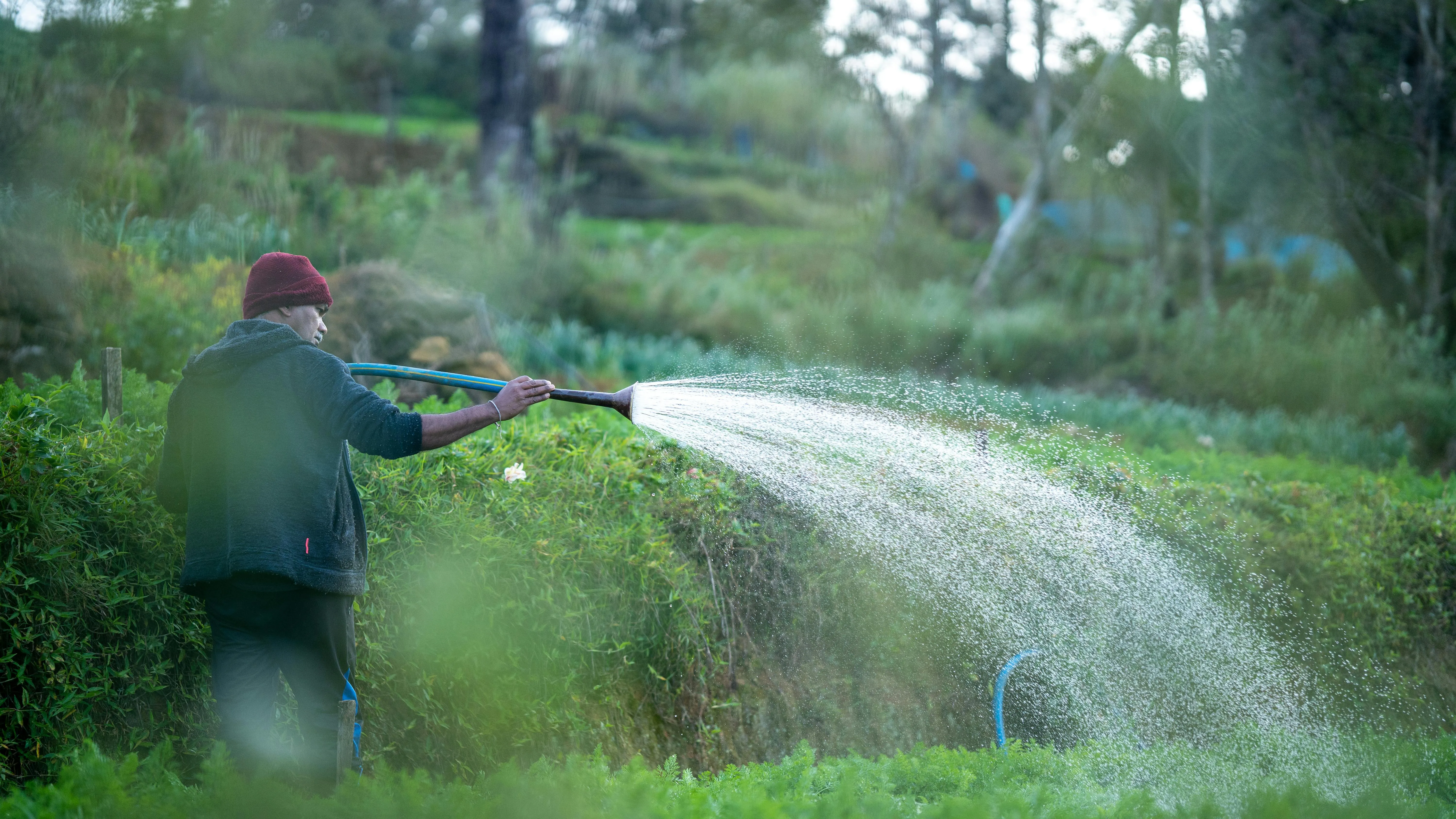
Water savings in practice
Mason Alvarez had been farming almonds outside Fresno long enough to know drought doesn’t announce itself all at once. Water costs kept climbing, energy wasn’t getting cheaper, and every irrigation decision felt like a gamble. Most days he relied on experience, quick field checks, and instinct, but he could tell the margins were getting tighter each season.
When he partnered with Saturn Terminal, the first thing it gave him was clarity. The data collected made it obvious that two blocks he’d been watering the same way for years were behaving differently. One area was holding moisture longer than he expected, while another was drying out faster after hot, windy afternoons.
So Mason made small, targeted changes rather than overhauling everything. He trimmed runtime where the ground was already staying wet, and he adjusted timing where stress was building so he wasn’t wasting water or pumping longer than needed. Within a few weeks, the orchard looked more consistent, the pump ran less, and the savings showed up in his water and energy bills. This is proof that better information can be just as valuable as more inputs.